
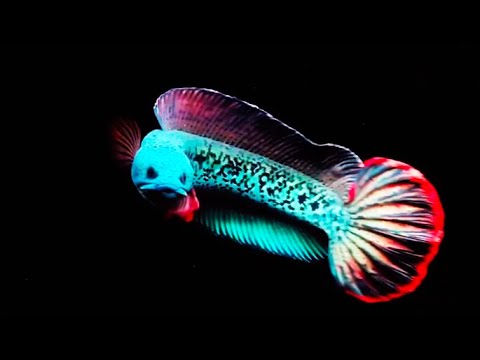
Short answer: Channa Barca are exceptionally rare and difficult to acquire legally in the USA due to their CITES Appendix II listing, which mandates strict permits for international trade. The single deciding factor for any prospective owner is the legality in their specific state, as many prohibit *Channa* species entirely, even if federal CITES permits are obtained. For instance, the Lacey Act makes interstate transport of illegally acquired wildlife a federal offense, regardless of CITES status.
That one filter — the legality of owning a Channa Barca in your specific location and the intricate permit requirements — resolves most of this decision. Everything below explains why this is the paramount concern, far outweighing typical considerations like tank size or diet.
What Exactly is a Channa Barca and Why Is It So Sought After?
A Channa Barca, often called the “True Barca Snakehead,” is a highly prized and exceptionally rare freshwater fish native to the Brahmaputra River basin in Assam, India. These stunning predatory fish are known for their vibrant blue and orange patterns, impressive size (up to 36 inches in the wild, though typically smaller in aquariums), and intelligent, interactive personalities. Their striking appearance and rarity have made them one of the most coveted and, consequently, expensive aquarium fish in the world, with prices for legally acquired specimens often reaching into the thousands of dollars.
Beyond their beauty, Channa Barca are also apex predators, requiring specialized care and a robust, species-specific aquarium setup. Their appeal to experienced aquarists lies in the challenge of replicating their natural habitat and observing their complex behaviors. However, it’s their extreme rarity and the strict international regulations surrounding their trade that truly elevate their status, making legal acquisition in the USA a significant hurdle.
The Deciding Question: Is Owning a Channa Barca Legal Where You Live?
The legality of owning a Channa Barca is the absolute primary concern for any prospective owner in the United States, overshadowing all other considerations. Due to its classification as a CITES Appendix II species and the invasive potential of snakehead fish, federal and state regulations are incredibly stringent.
CITES Appendix II & Federal Regulations: What It Means for US Imports
The Convention on International Trade in Endangered Species of Wild Fauna and Flora (CITES) lists *Channa barca* under Appendix II. This designation means that while the species is not necessarily threatened with extinction, its trade must be controlled to avoid overexploitation. For import into the USA, a CITES export permit from the country of origin (India, in this case) and a CITES import permit from the U.S. Fish and Wildlife Service (USFWS) are mandatory. Without these, any import is illegal. also, the Lacey Act, a federal law of the United States, prohibits the trafficking of illegally harvested wildlife, making it a federal offense to import, export, transport, sell, receive, acquire, or purchase fish that have been taken, possessed, transported, or sold in violation of any foreign law or any state or tribal law. This means even if a fish *could* somehow bypass CITES, if it was acquired illegally at any point, possessing it is a federal crime.
State-Specific Bans & Restrictions: The Crucial Local Check
Even if you navigate the complex federal CITES permitting process, individual states within the USA often have their own, much stricter laws regarding the possession of *Channa* species. Many states, including Florida, California, and Maryland, have outright bans on all snakehead species, classifying them as invasive and highly destructive to local ecosystems if released. These bans are typically absolute, meaning no permits are available for private ownership, regardless of the fish’s origin or CITES status. Before even considering the federal permits, you must verify your specific state’s regulations. Ignoring this step could lead to severe fines, confiscation of your fish, and even criminal charges.
Navigating Your Options: A Quick Comparison Table
When considering “Channa Barca for sale USA,” your “options” aren’t about different types of fish, but rather different (and often illicit) avenues of acquisition. Understanding these helps highlight why the legal path, while arduous, is the only responsible one.
| What Matters | Legal, Permitted Import (The Right Way) | Illegal Acquisition (The Wrong Way) |
|---|---|---|
| Risk of Fines/Jail | Low (if all permits and laws are strictly followed) | Extremely High (Federal & State charges, significant penalties, potential felony) |
| Fish Health/Provenance | High (Ethical breeders, proper documentation, less stress) | Unknown/Poor (Smuggled, stressed, disease-ridden, poor genetics) |
| Cost (Initial) | Very High ($3,000 – $10,000+, plus permit fees, shipping) | Potentially lower initial cost, but astronomical long-term legal risk |
| Ethical Standing | High (Supports conservation, legal trade, responsible hobby) | Extremely Low (Supports illegal wildlife trade, harms species, ecosystem risk) |
| Availability | Extremely Limited (Requires extensive networking, long waitlists) | Appears ‘available’ online, but often scams, misidentified fish, or illegal |
| Peace of Mind | High (You’re compliant and responsible) | Zero (Constant fear of discovery, legal repercussions) |
If you read only one thing on this page, read that row: the risks of illegal acquisition are simply not worth it.
Your Five-Minute Path to a Responsible Decision
Given the complexities, here’s a step-by-step guide to determine if acquiring a Channa Barca is even remotely feasible and responsible for you:
Check Your State Laws IMMEDIATELY: This is the first and most critical step. Contact your state’s Department of Fish and Wildlife or equivalent agency. Ask explicitly if *any* species of the genus *Channa* (snakeheads) are prohibited for private ownership in your state. Be specific; don’t assume. If the answer is yes, stop here. Your dream of owning a Channa Barca in the USA is legally impossible. Many states, such as Florida and California, have strict prohibitions on snakehead species due to their invasive potential.
Understand CITES Permit Requirements (If Your State Allows): If your state permits *Channa* species, your next hurdle is the CITES process. This involves obtaining an import permit from the USFWS and ensuring the seller has a valid CITES export permit from India. This process is lengthy, complex, and requires meticulous documentation. It’s not something a typical hobbyist handles regularly.
Locate Reputable, Permitted Breeders/Importers: This is arguably the hardest part. You’ll need to find a specialized, licensed importer or breeder who has successfully navigated the CITES process and can legally provide a documented, CITES-compliant specimen. These individuals are rare, and their stock is even rarer. Expect long waitlists and rigorous vetting on their part.
Prepare for Significant Financial and Time Investment: Legally acquired Channa Barca are incredibly expensive. Prices can range from $3,000 to well over $10,000 for a single fish, not including shipping, CITES fees, and the cost of a substantial, specialized aquarium setup. beyond that, the time investment in research, permit applications, and finding a legitimate source can be immense.
Consider Legal and Ethical Alternatives: If steps 1-4 prove too difficult, impossible, or prohibitively expensive (which they will for most), responsibly consider other fascinating, legal fish. There are many beautiful and engaging species that offer similar challenges and rewards without the legal and ethical quagmire.
The Hidden Truth About “Channa Barca for Sale” Listings
What many enthusiast guides often skip or bury is the pervasive black market and outright deception surrounding “Channa Barca for sale” listings, especially online. The reality is, if you see an easy, readily available listing for a Channa Barca in the USA, it’s almost certainly one of three things: a scam, a misidentified fish (often a cheaper, legal *Channa* species misrepresented), or an attempt to illegally traffic a CITES-protected animal.
The allure of a rare fish can make people vulnerable, and unscrupulous individuals exploit this. These illicit trades often involve stressed, sick, or mislabeled fish. More importantly, participating in such transactions carries severe legal risks. The U.S. Fish and Wildlife Service (USFWS), for instance, actively monitors and prosecutes illegal wildlife trade, with significant penalties including hefty fines and imprisonment. Unlike older hobbyist forums that might have discussed “grey market” acquisitions, enforcement has tightened considerably, making such activities far riskier and less common among truly informed aquarists. Any legitimate sale will come with extensive, verifiable CITES documentation, not just a vague promise.
Where the Channa Barca Fits in the US Aquarium Niche (Or Doesn’t)
For the vast majority of US aquarists, the Channa Barca remains an aspirational, legally complex, and practically unobtainable species. It does not fit into the general or even advanced hobbyist niche. Instead, it occupies a tiny, highly specialized corner reserved for extremely wealthy collectors, public aquariums, or research institutions that possess the necessary permits, resources, and expertise to legally acquire and maintain such a demanding animal.
It sits at the absolute pinnacle of exotic, high-difficulty, high-cost, and high-legal-risk fishkeeping. For those drawn to the unique charm of snakeheads but committed to responsible and legal fishkeeping, there are excellent, legal alternatives. Species like *Channa andrao* (the “Assam dwarf snakehead”) or *Channa bleheri* (the “Rainbow snakehead”) offer much of the engaging behavior and beauty of their larger cousins without the federal and state-level legal complexities. These species are legal in many states and readily available from reputable breeders. If you’re drawn to rare and beautiful fish, but prefer to avoid the legal complexities, consider exploring species like the Platinum Arowana (with proper research into local regulations, as Arowanas also have restrictions) or certain rare plecos, which offer distinct challenges and aesthetic appeal without the CITES nightmare. Ultimately, the legality and the extreme hurdles of CITES compliance in the US mean that for most, the Channa Barca remains a dream fish, not a practical addition to the home aquarium.
Frequently Asked Questions
How much does a Channa Barca typically cost?
For legally acquired, CITES-compliant Channa Barca, prices typically range from $3,000 to well over $10,000 per fish in the USA. This does not include the additional costs for CITES permit applications, specialized shipping, and the extensive setup required for their care. Illegally traded fish might appear cheaper, but carry immense legal risks.
Are all Channa species illegal in the USA?
No, not all *Channa* species are illegal across the entire USA. While many states have outright bans on all snakehead species due to their invasive potential, some smaller, non-invasive *Channa* species like *Channa andrao* and *Channa bleheri* are legal in certain states. It is crucial to check your specific state’s Department of Fish and Wildlife regulations before acquiring any *Channa* species.
What alternatives are there to Channa Barca?
For enthusiasts seeking the unique characteristics of snakeheads without the legal and ethical complexities of Channa Barca, excellent alternatives include the Rainbow Snakehead (*Channa bleheri*) and the Assam Dwarf Snakehead (*Channa andrao*). These species are generally legal in many US states, are readily available from reputable breeders, and offer fascinating behaviors and striking coloration in a more manageable size.
What are the risks of buying Channa Barca illegally?
The risks of buying Channa Barca illegally are severe and include significant federal and state fines, potential imprisonment, confiscation of the fish, and a permanent criminal record. You also risk acquiring sick or misidentified fish, supporting illegal wildlife trafficking networks, and contributing to the endangerment of wild populations. The U.S. Fish and Wildlife Service actively prosecutes such offenses.
How can I identify a genuine Channa Barca?
Identifying a genuine Channa Barca can be challenging, especially for an inexperienced buyer, as other *Channa* species are often misrepresented. True Channa Barca are characterized by distinct blue and orange patterning, elongated bodies, and specific fin structures. Crucially, a genuine, legal Channa Barca will always come with complete, verifiable CITES documentation from both the exporting and importing countries, along with clear provenance from a reputable, permitted source. Without this paperwork, assume it is not legitimate.