Why Do Bearded Dragons Open Their Mouth? Unveiling the Mysterious Behavior

Why Do Bearded Dragons Open Their Mouth? Unveiling the Mysterious Behavior
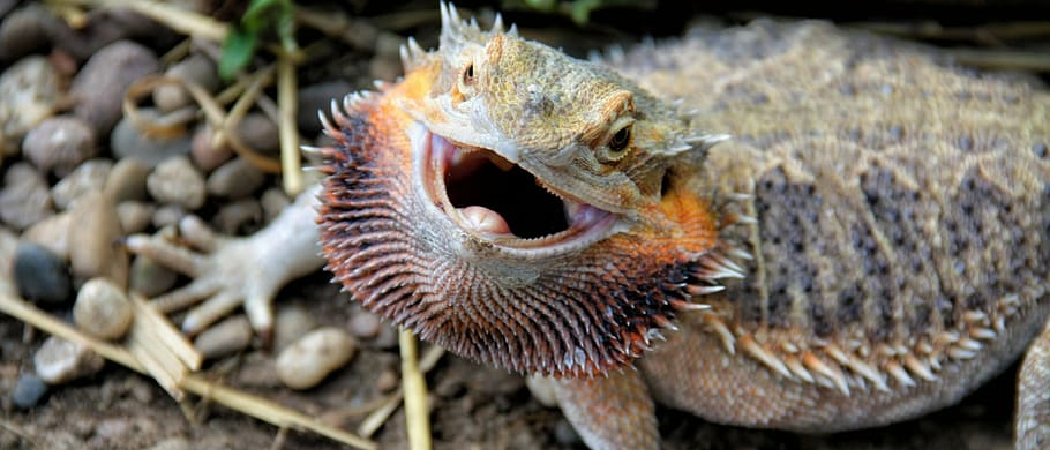
Bearded dragons open their mouth to regulate their body temperature and to display aggression or submission. Bearded dragons, scientifically known as Pogona vitticeps, are fascinating reptiles that have become popular pets due to their unique appearance and manageable size.   These reptiles are native to the arid regions of Australia, and they have developed various …
Read more

How Often Should Chameleons Eat

Chameleons should be fed 2-3 times per week for a healthy diet. Younger chameleons should be offered food daily, while adults can have their food every other day or every third day. An adult chameleon’s meal size can depend on its size and activity level; generally, it should consume as much as it will eat …

Read more

Can Dubia Roaches Eat Grapes

Can Dubia Roaches Eat Grapes

No, Dubia roaches cannot eat grapes. Grapes are not part of their natural diet and can do more harm than good to these roaches. In fact, fruits and vegetables should be avoided as a food source for Dubia roaches as they contain high levels of sugar, which can cause health problems like obesity and reduced …

Read more

Do Mealworms Have to Be Refrigerated

No, mealworms do not have to be refrigerated in order to remain alive and healthy. Mealworms feed on organic food sources such as fruits and vegetables, which can easily be stored at room temperature. Mealworms are also able to enter a hibernation-like state when temperatures drop below 50 degrees Fahrenheit or 10 degrees Celsius. Therefore, …

Read more

How to You Know If Your Chameleon is Dying

If you suspect that your chameleon is dying, there are several signs to look out for. Firstly, if your chameleon becomes lethargic and stops moving around or eating, it could be a sign of illness or other health issues. They may also stop drinking and become dehydrated; this can be observed by looking at the …

Read more

Best Food for Veiled Chameleon

The best food for a veiled chameleon is live insects. These should include crickets, mealworms, and wax worms as staples in their diet. Other occasional treats can include grasshoppers, locusts, flies and moths. All of these should be dusted with a calcium supplement to ensure proper nutrition. Live plants can also be offered to add …

Read more

I Think My Chameleon is Dying

If you think your chameleon is dying, the best thing to do is take it to an experienced reptile vet as soon as possible. Signs that a chameleon may be dying include lethargy and inactivity, weight loss, lack of appetite, discoloration of the skin or eyes, and labored breathing. A qualified veterinarian can provide a …

Read more

Great Stuff Pond And Stone Alternative

Great Stuff Pond and Stone Alternative is an eco-friendly decorative material for ponds, water gardens, and other outdoor water features. It is made from recycled glass that has been blended with a special bonding agent to create a lightweight yet durable material. It can be used as an alternative to traditional stones or pebbles to …

Read more

Male Vs Female Panther Chameleon

Male Vs Female Panther Chameleon

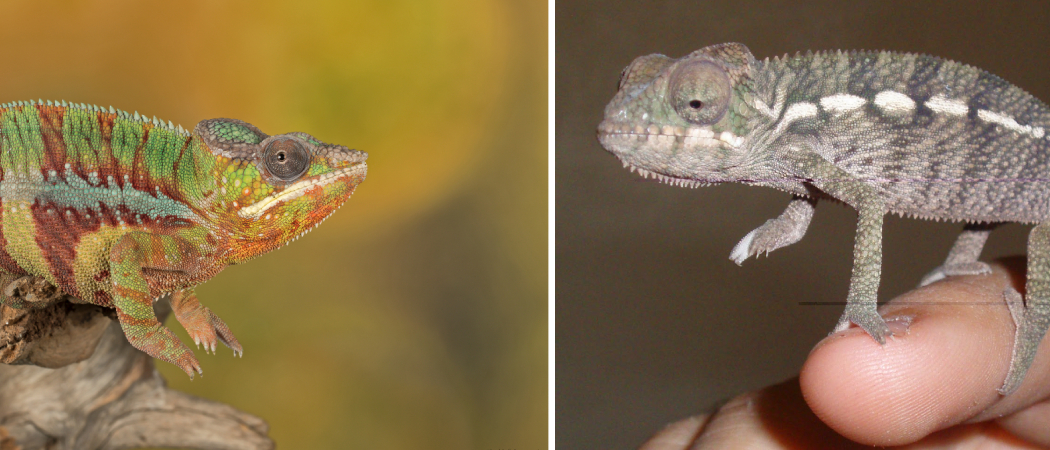
Male and female panther chameleons differ in a few ways. Males are typically larger and have longer, thicker tails than females. They also have more prominent “horn” structures on their heads, called casques or crests. Male panther chameleons tend to be more brightly colored than females, usually having blue-green bodies with striking orange or yellow …

Read more

My Chameleon Won’T Open His Eyes

My Chameleon Won'T Open His Eyes

If your chameleon won’t open his eyes, the first thing you should do is inspect them for any signs of inflammation or infection. If there are no visible signs of illness, then it could be a sign that he’s too cold. Chameleons need warm temperatures to stay healthy and active, so make sure the area …

Read more