Vitamin a Deficiency in Chameleons

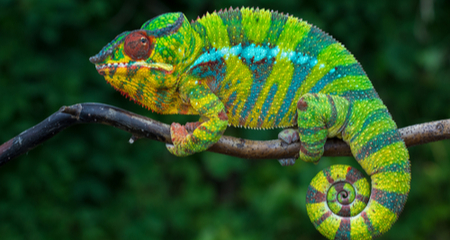
Vitamin A deficiency in chameleons is a serious health issue that can have fatal consequences. Symptoms of vitamin A deficiency include lethargy, skin discoloration, loss of appetite, poor vision and respiratory problems. Without adequate levels of Vitamin A in the diet, chameleon’s will develop diseases such as Metabolic Bone Disease or Respiratory Infections. The best …

Read more

How to Lower Humidity in Leopard Gecko Tank

How to Lower Humidity in Leopard Gecko Tank

The best way to lower humidity in a leopard gecko tank is to make sure that the tank has adequate air flow. This can be done by making sure that the enclosure lid or top of the tank is left slightly open and also by using an overhead fan if possible. It’s important to have …

Read more

Can Leopard Geckos Eat Eggs

Yes, leopard geckos can eat eggs. It is important to feed them a diet rich in protein and calcium. Eggs are an excellent source of both proteins and calcium, so they make for a great snack for your pet gecko. To feed your leopard gecko eggs, you should first hard-boil the egg and then mash …

Read more

Are Super Worms And Mealworms the Same

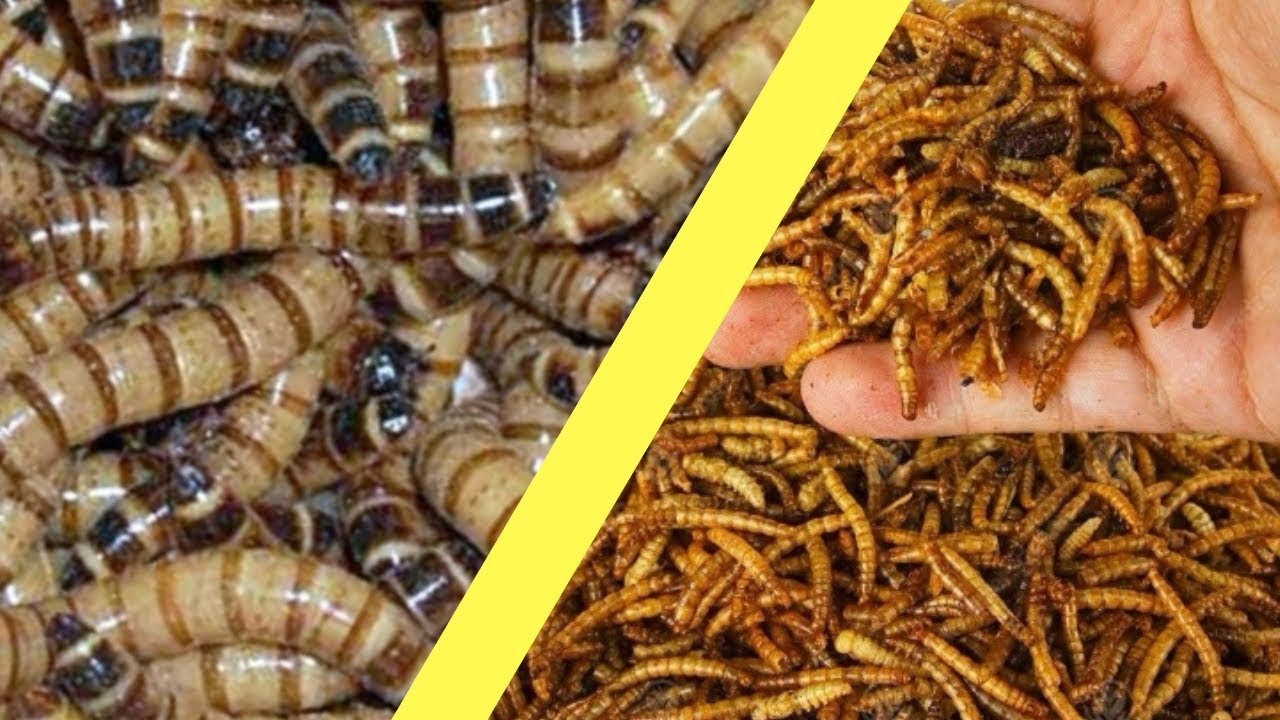
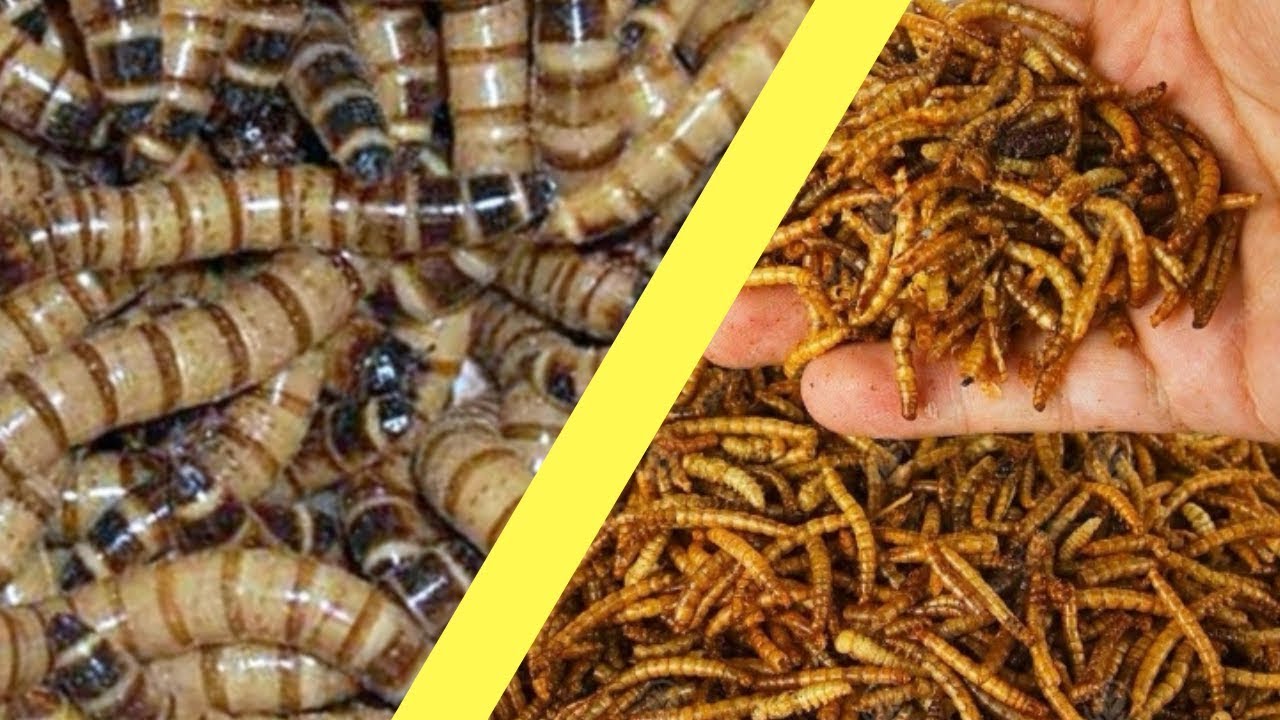
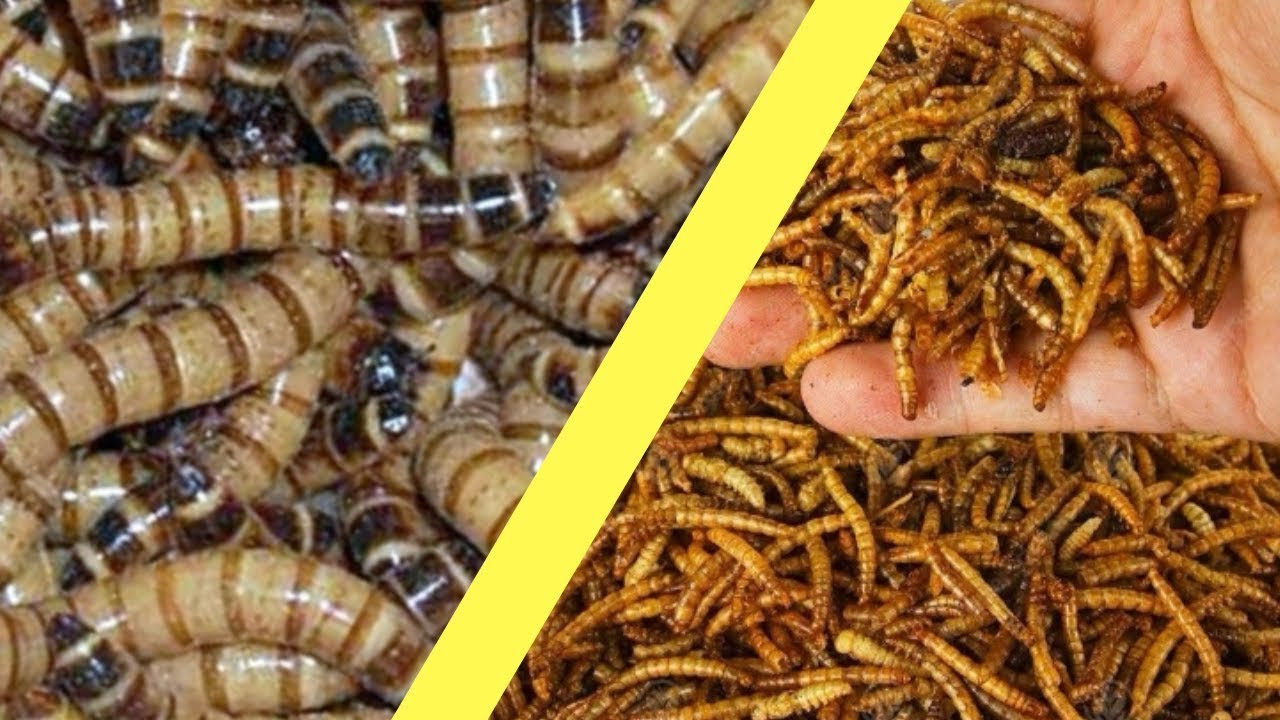
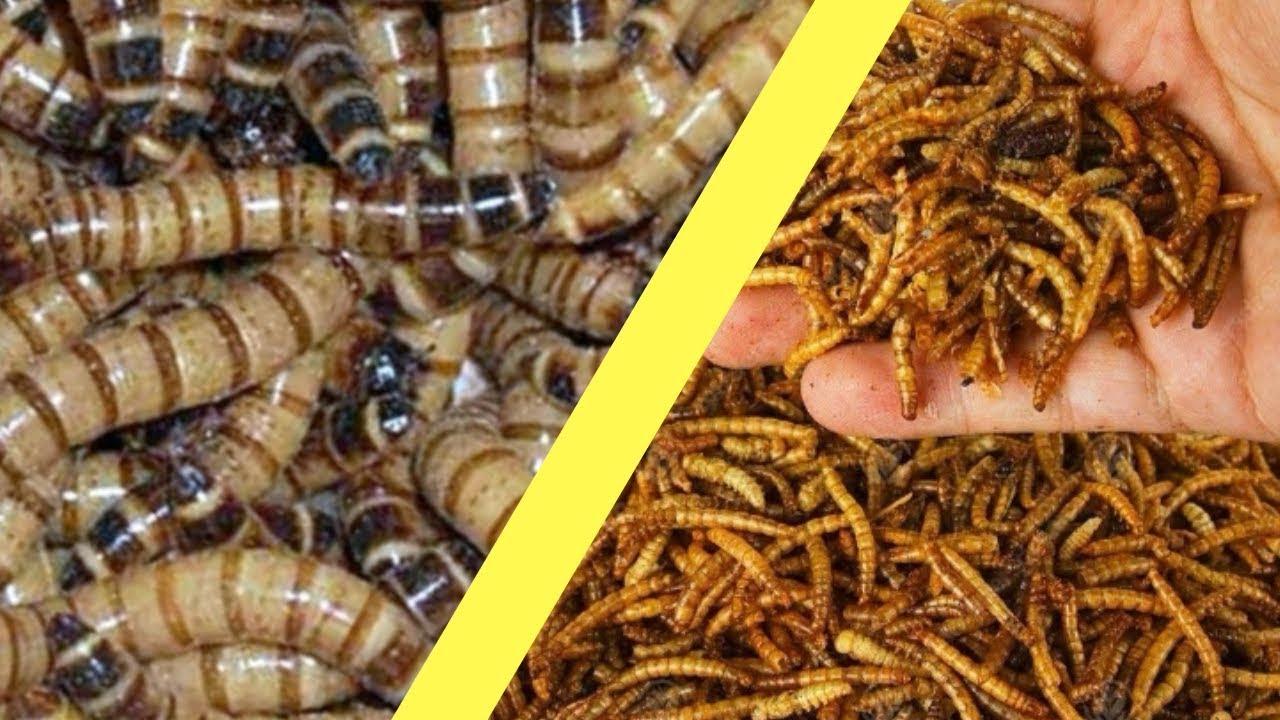
No, super worms and mealworms are not the same. Super worms (Zophobas morio) are a type of tropical beetle larvae that feed on decaying vegetation while mealworms (Tenebrio molitor) are the larvae of darkling beetles that feed mostly on grains. Super worms have thicker bodies than mealworms, making them crunchier in texture when eaten. They …

Read more

Super Worm Beetle Vs Mealworm Beetle

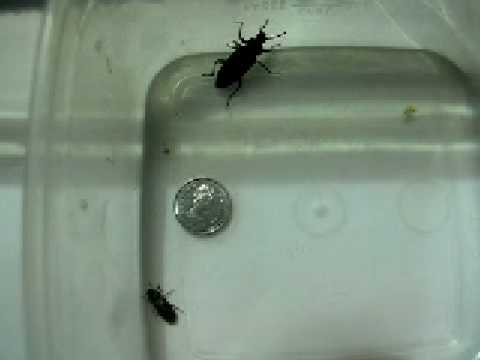
The Super Worm Beetle (Zophobas morio) and Mealworm Beetle (Tenebrio molitor) are both members of the darkling beetle family. They have some similarities, such as their diet, which consists primarily of decaying plant material, fungi, and animal matter. However, there are also several differences between them. The Super Worm is a larger beetle than the …

Read more

How to Identify Stuck Shed on Bearded Dragon

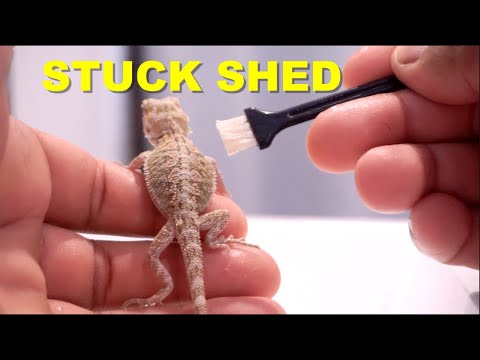
To identify a stuck shed on your bearded dragon, first look for any white patches or areas of discoloration that may indicate the shedding process has stalled. Next, inspect the area around the eyes and toes, as these are common problem spots for incomplete shedding. Once you have identified an area with incomplete shedding, soak …

Read more

Are Super Worms the Same As Mealworms

No, superworms are not the same as mealworms. Superworms (Zophobas morio) are a species of darkling beetle larvae that are slightly larger than mealworms (Tenebrio molitor). Superworm larvae grow to be 1.75 inches in length while mealworm larvae will typically reach 1 inch in length when fully grown. In addition, superworms have thicker exoskeletons, and …

Read more

Are Mealworms And Super Worms the Same Thing

No, mealworms and super worms are not the same thing. Mealworms are small larvae of the darkling beetle, while super worms are larvae of a tropical species called Zophobas morio. Mealworms grow to about 1 inch in length, while super worms can reach up to 2 inches in size. Although both types of insects have …

Read more

Difference between Super Worms And Mealworms

Superworms (Zophobas morio) and mealworms (Tenebrio molitor) are both edible larvae from the Coleoptera order. Superworms are larger than mealworms and have higher fat content, making them a more nutritious food source for animals such as lizards and birds. They also tend to be much livelier than their smaller counterparts which makes them attractive as …

Read more

Is 50 Humidity Too High for a Leopard Gecko

Yes, 50% humidity is too high for a leopard gecko. Leopard geckos are desert lizards and need to live in dry environments with low humidity levels. A healthy humidity level for them should range between 20-30%. Humidity that is too high can cause respiratory problems as well as skin irritation, which can lead to infection …

Read more